

The Aesthetic Appeal of Timber and Membrane Structures
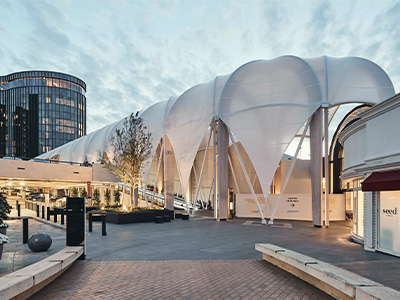
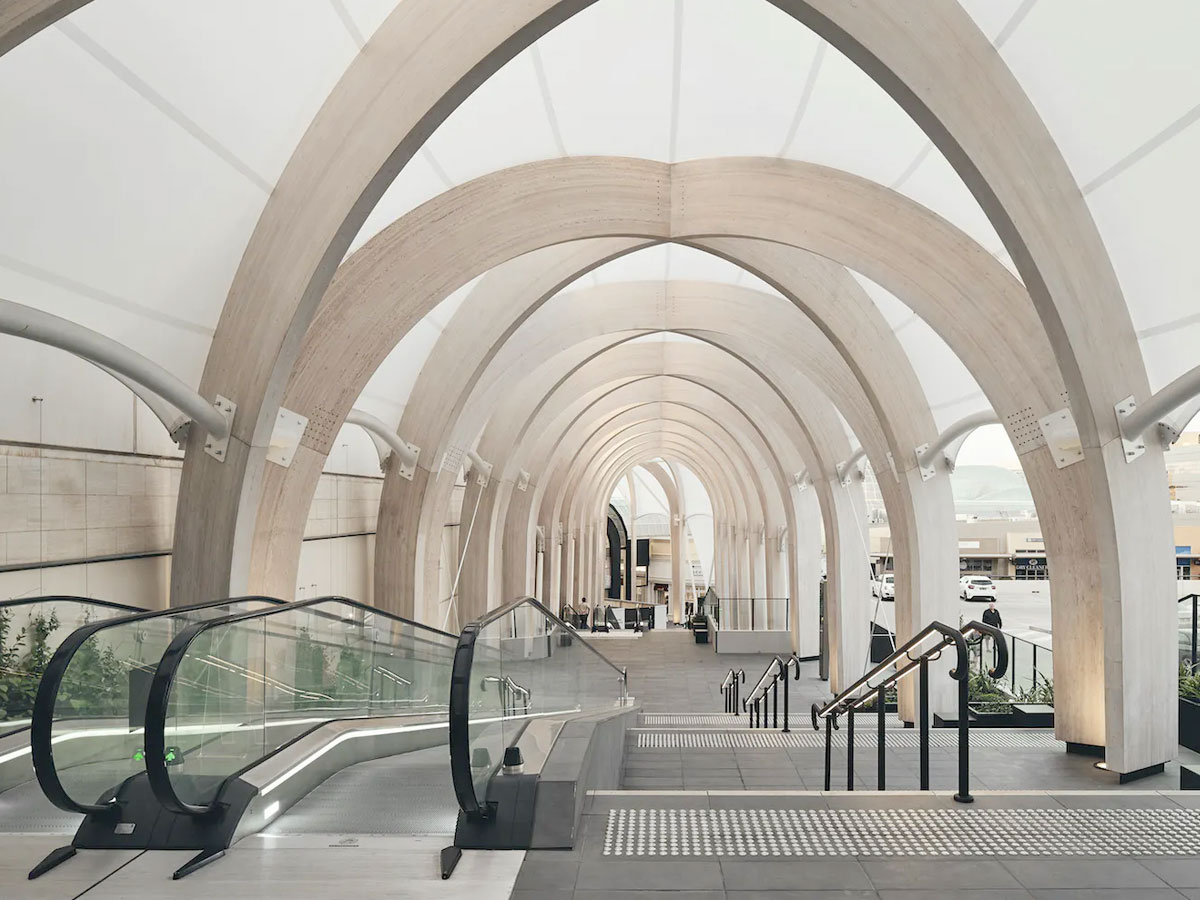
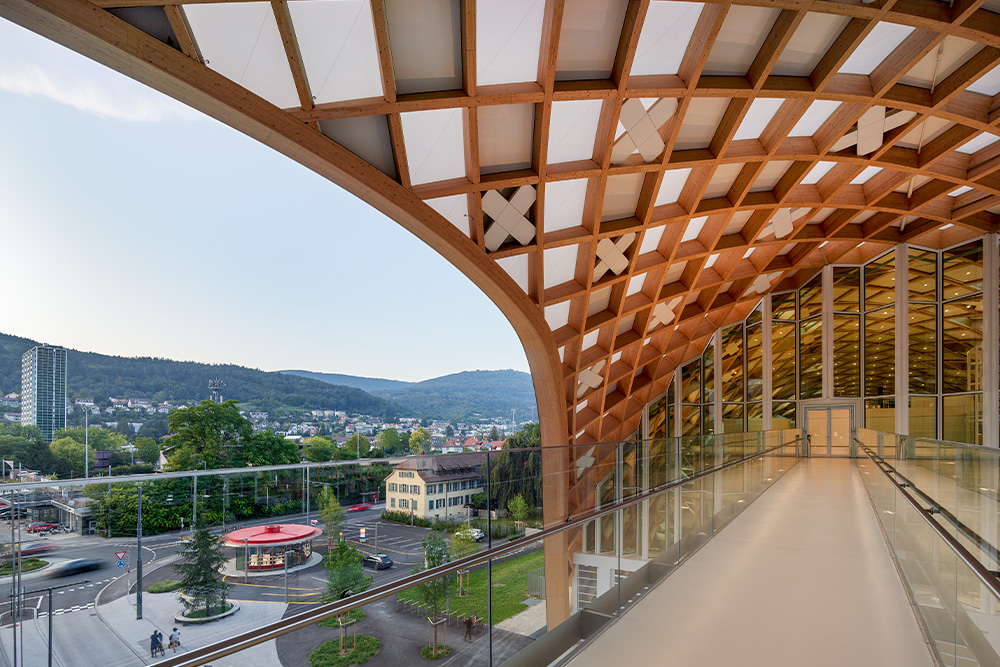
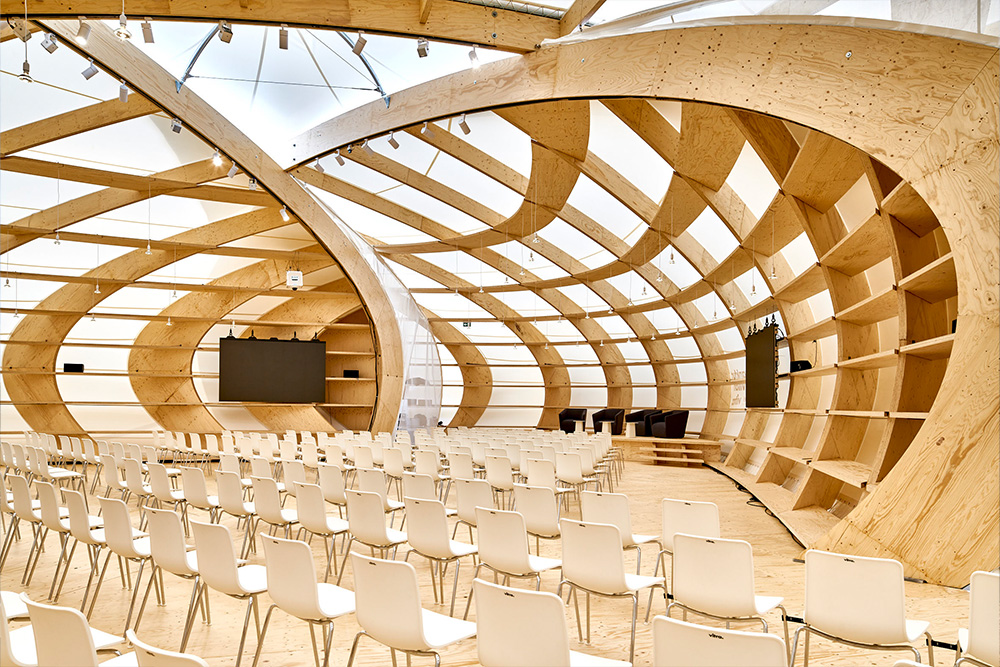
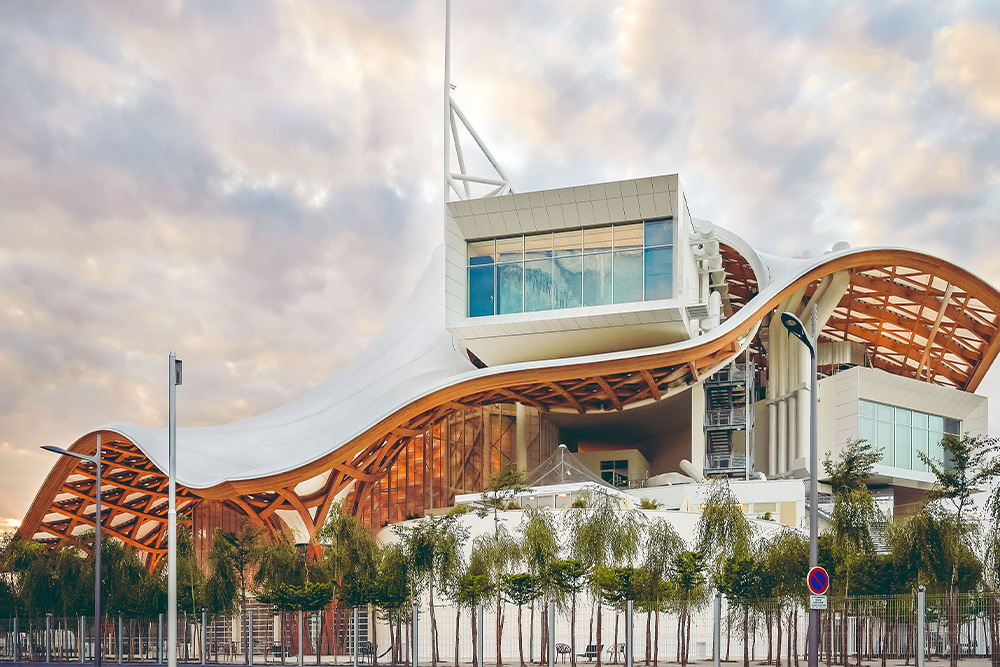
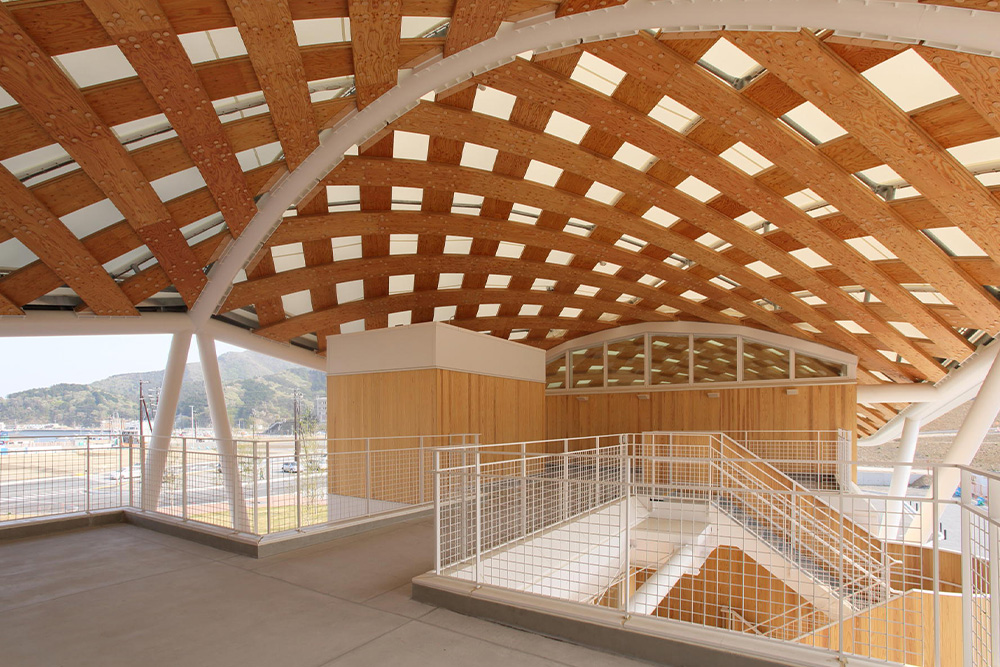
Combining timber and tensile membranes creates distinctive architectural structures that balance the warmth of wood with the lightness and translucency of membrane.
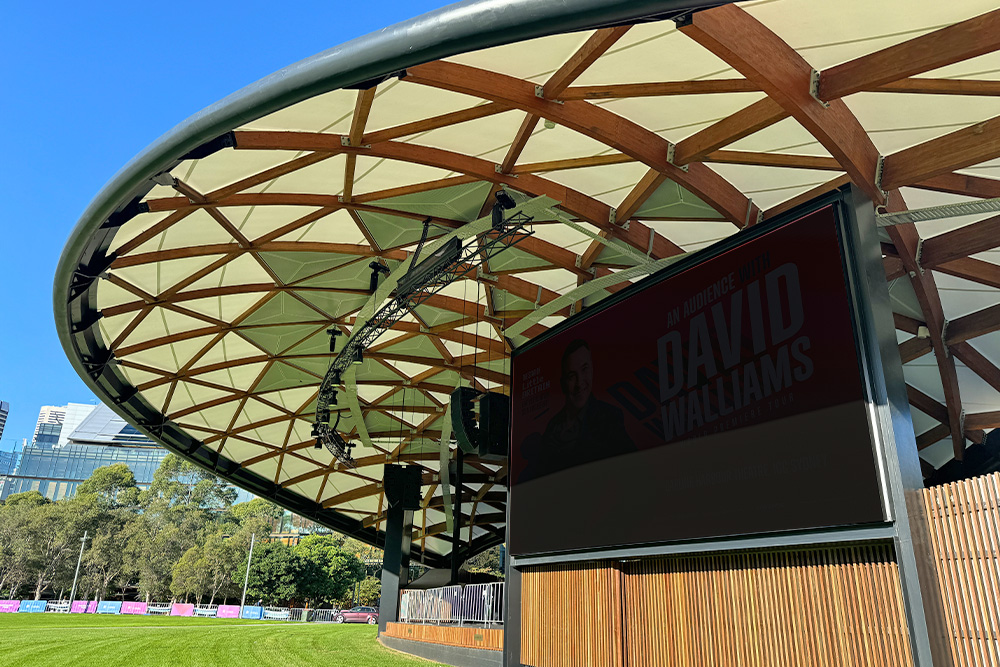
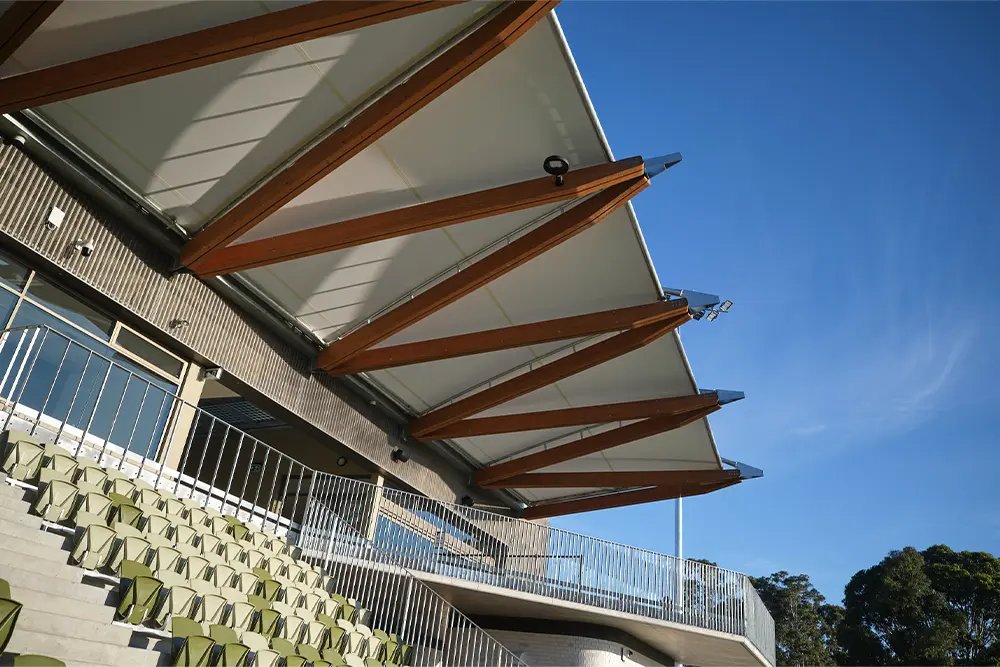
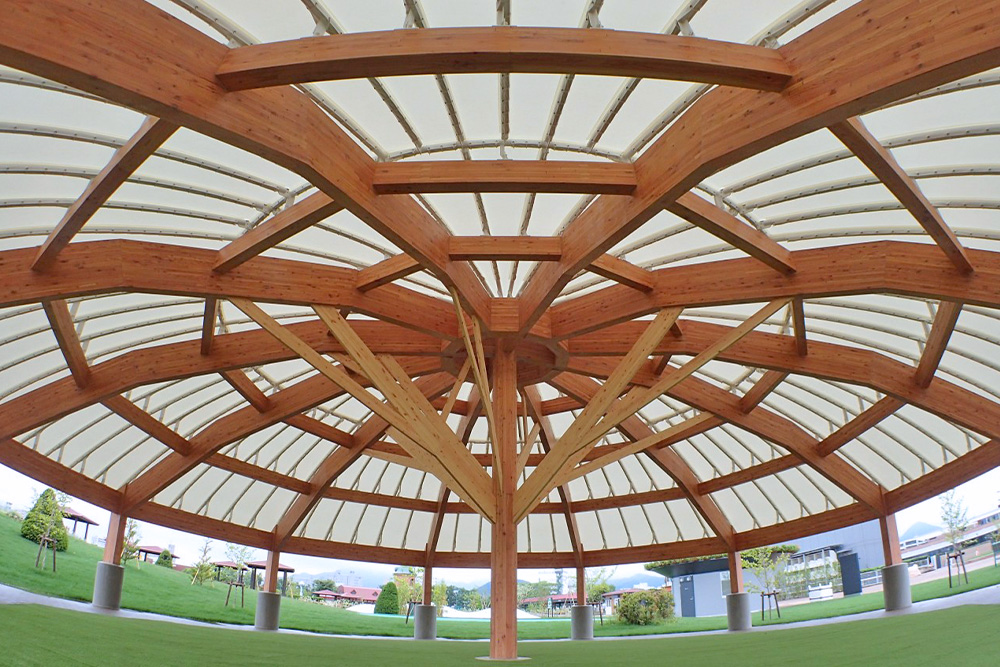
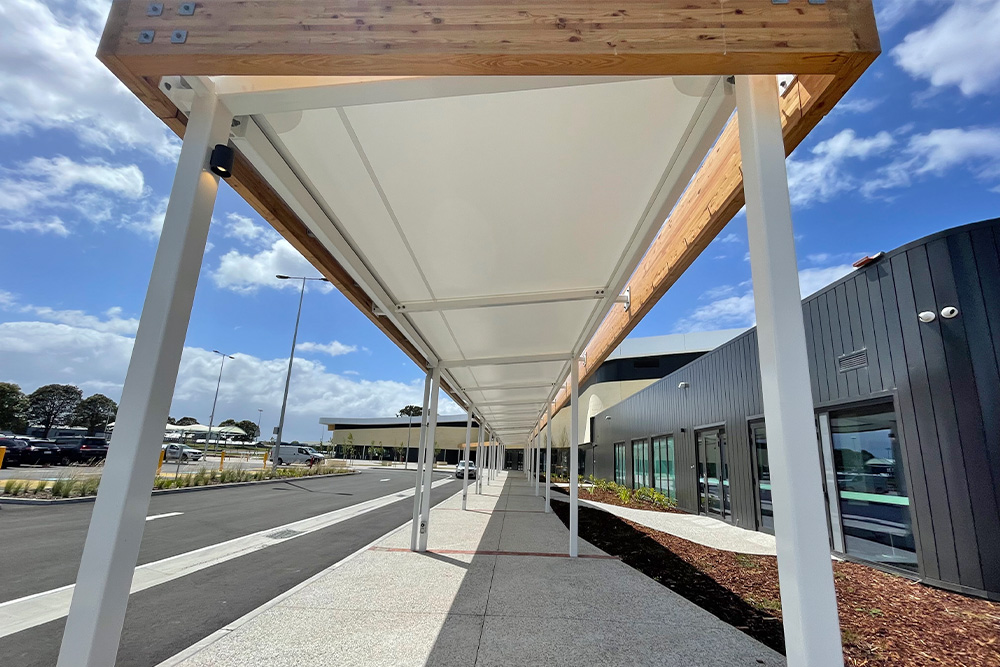
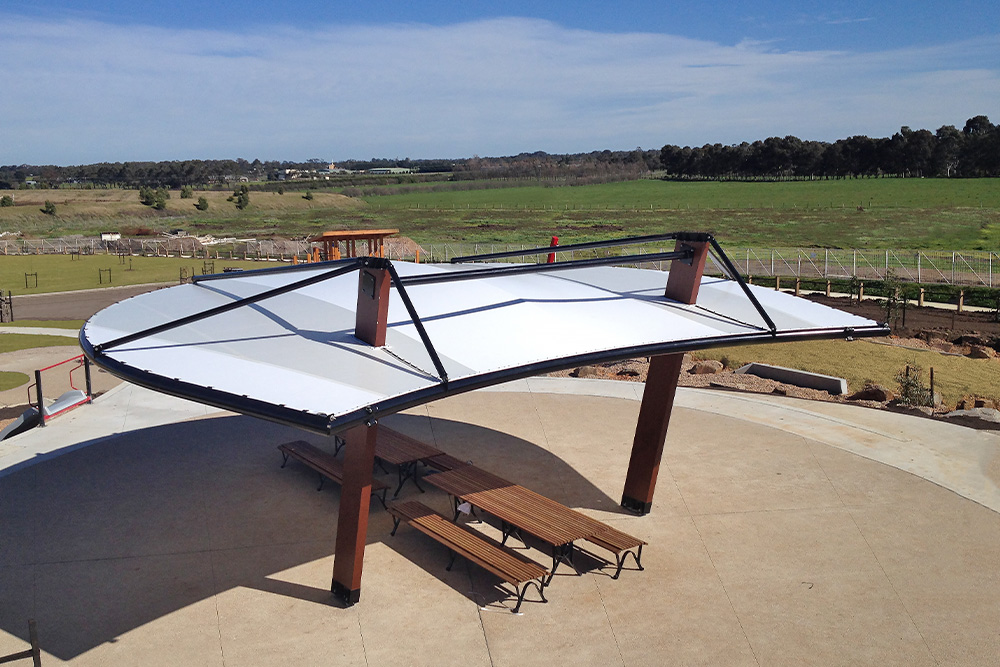
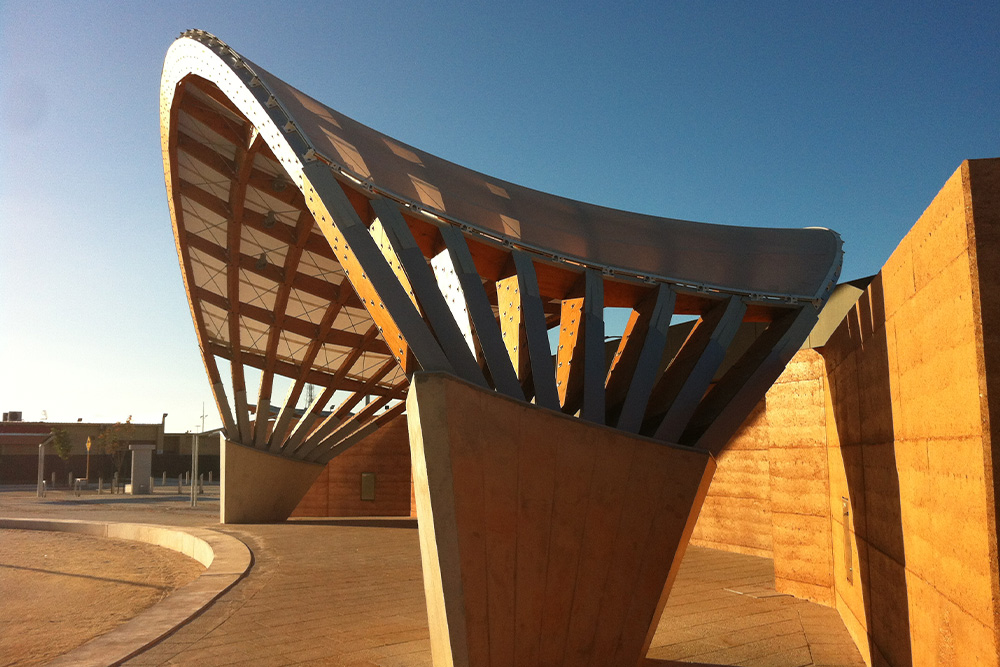
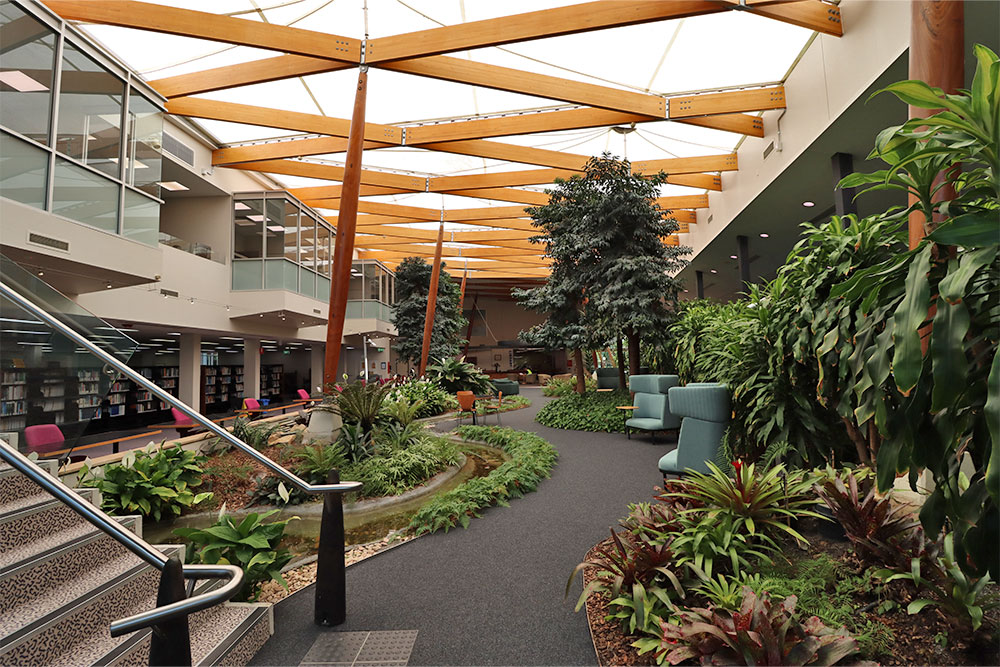
Translucent membrane cladding allows natural light to enter the building, while natural timber, Glulam or CLT structures create a warm and natural interior environment. These versatile materials can be used across a wide range of applications, from temporary pavilions and shade structures to permanent buildings, commercial roofing and complete building envelopes. For outdoor, open-air structures, such as amphitheaters or community shade structures, the marriage of timber and membrane can create elegant, gently curved structures that provide shade and protection from the elements, while also serving as a beautiful and functional centerpiece for the surrounding environment.
MakMax and the Taiyo Kogyo Group have extensive experience delivering timber and membrane structures around the world, from smaller architectural structures to large-scale commercial buildings and public amphitheatres.

Benefits of Timber and Membrane Structures
In addition to their architectural appeal, timber and tensile membrane structures offer a range of practical benefits.
Timber has been used as a structural material for centuries and can provide durable, long-life construction when appropriately designed, detailed and protected for the project environment. Tensile membranes are lightweight and flexible, allowing them to span large areas with relatively low structural mass and adapt to a wide range of architectural forms.
The combination of timber and membrane can also contribute to efficient construction. The low weight of tensile membrane can reduce the material requirements of the building envelope compared with some conventional cladding systems, while its compact form can simplify transport, handling and installation.
Timber is a renewable construction material when sourced from responsibly managed forests. Timber products can also store biogenic carbon within the material throughout their service life, making material selection, sourcing and design life important considerations when assessing the environmental performance of a project.

Important Considerations When Designing Timber and Membrane Structures
Combining timber and tensile membrane materials in construction can create some stunning and unique buildings, but it requires careful planning and engineering to ensure a safe and stable structure that will stand the test of time.
Both timber and tensile membrane materials must be durable and weather-resistant to ensure the structure will last its expected design life. This includes selecting appropriate construction methods (Glulam or CLT), treatments and coatings for the timber, and selecting an architectural-grade membrane material that is resistant to UV rays, moisture, and other environmental factors.
Timber is a combustible material, so appropriate measures must be taken to ensure the structure is fire-resistant. This may include using fire-retardant coatings or materials, designing the structure to minimise fire risks, and ensuring the structure meets all the appropriate Australian construction codes and regulations . The various types of tensile membranes have different fire-performance properties and the right choice of membrane is a key consideration depending the purpose and location of the structure. A fire-engineer should always be consulted to seek a fire performance solution during the design phase of a timber and membrane structure.
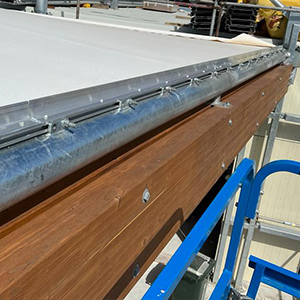
Another key consideration for designing timber and membrane structures is the interface between membrane and wood. The connection details used to create a timber and membrane interface will depend on the specific design and engineering requirements of the project.
- For linear edge membrane panels, the fabric membrane is most commonly held in place by an aluminium edge track that is bolted to steel cleats screwed into the timber frame. A rigid connecting system can also be used, such as a perimeter steel frame or secondary light-weight steel substructure (or combination of both), to interface between the two materials.v
- If tension is achieved through a catenary edge or cables, specially designed clamp plates can be anchored to the timber elements. These tensioning systems must be carefully designed and installed to ensure they can withstand the loads placed upon them.
Also important to note; membranes tensioned directly over wooden structures can cause friction damage to the fabric coating, so secondary steel upstands or surface protection should be included on the timber surface to prolong the life of the membrane.
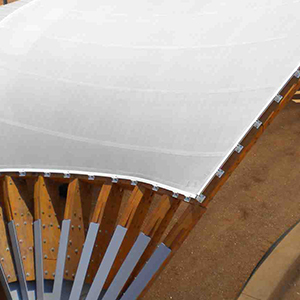
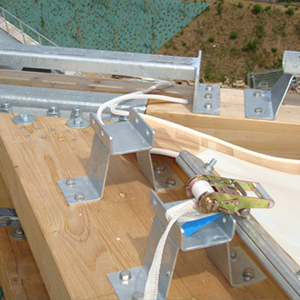
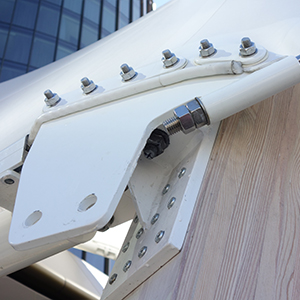
It is important to work with experienced professionals who can help design, engineer, fabricate and install the appropriate membrane to timber connection details for the specific needs of your project.
Further Reading: “The hottest new thing in sustainable building is, uh, wood”