

Protect Your Fleet With MakMax TensoNet HNPC

If your business requires vehicle protection hail net, the MakMax TensoNet HNPC (Hail Net Protection Canopy) System can provide a robust and economical hail risk-reduction solution for customers within the automotive and logistics industries.
Originally developed for the agricultural market, MakMax engineers have adapted and improved the TensoNet HNPC system to create large, simple designs which are specifically intended for use as hail netting for cars.
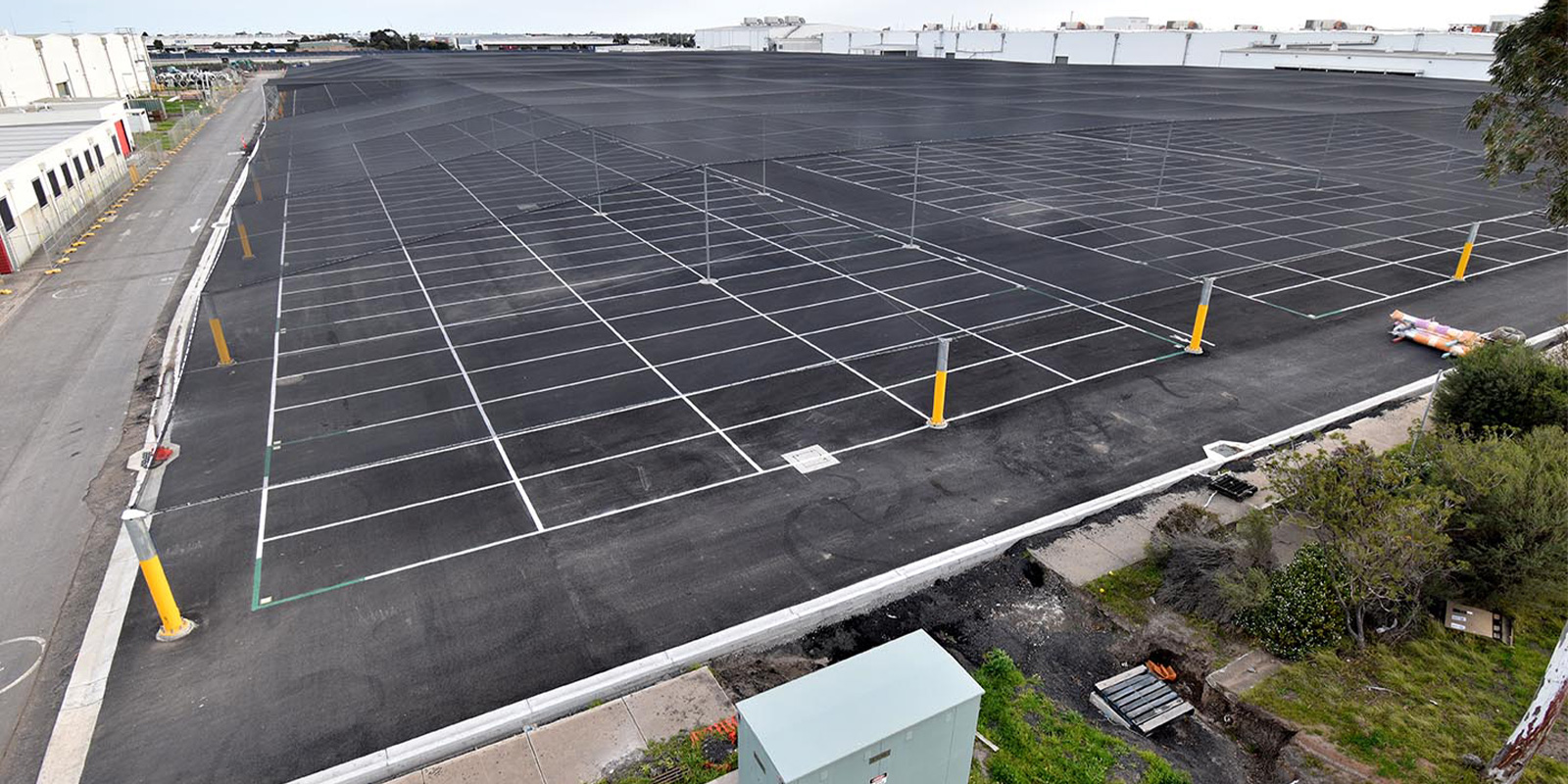
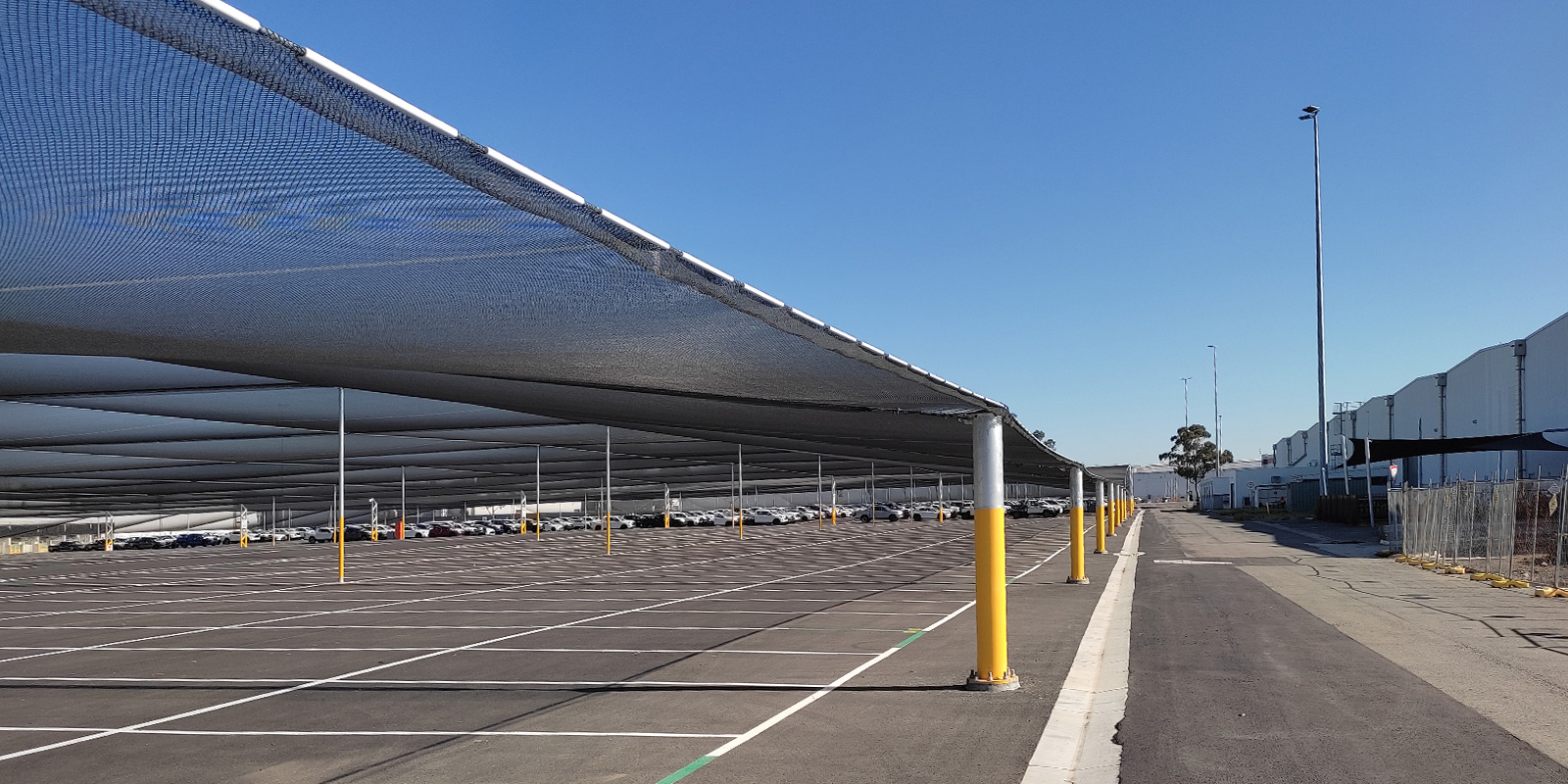
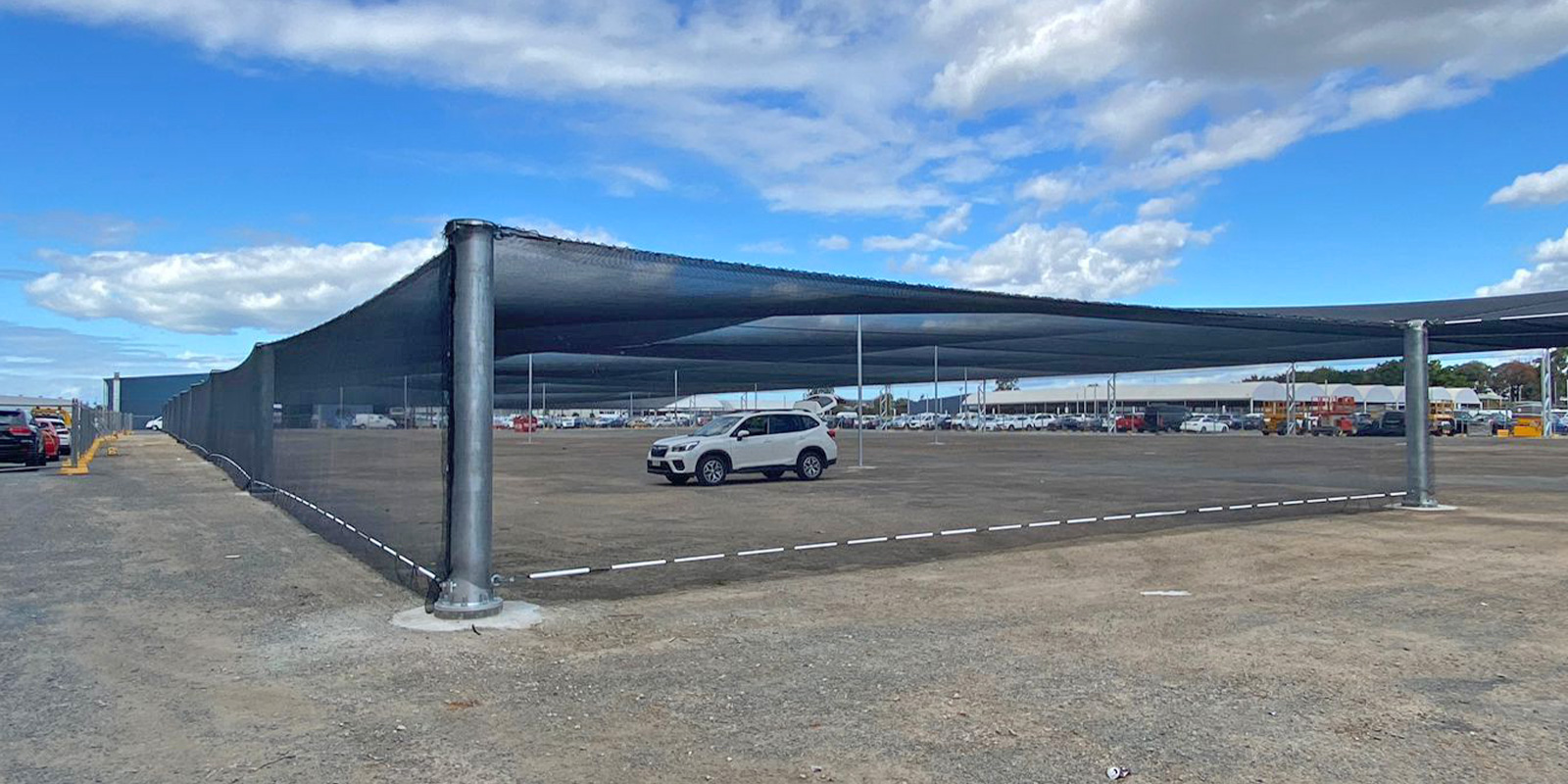
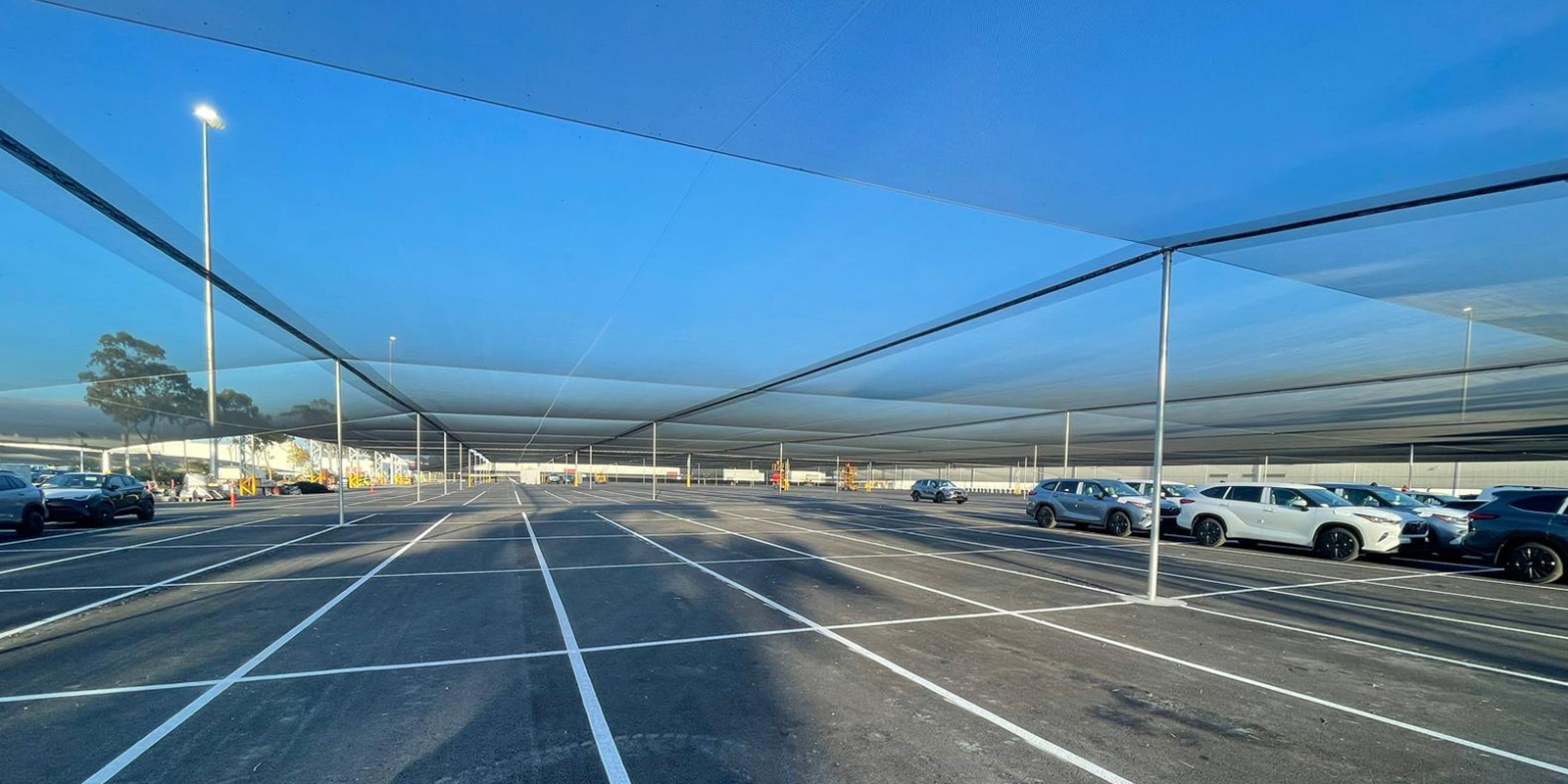
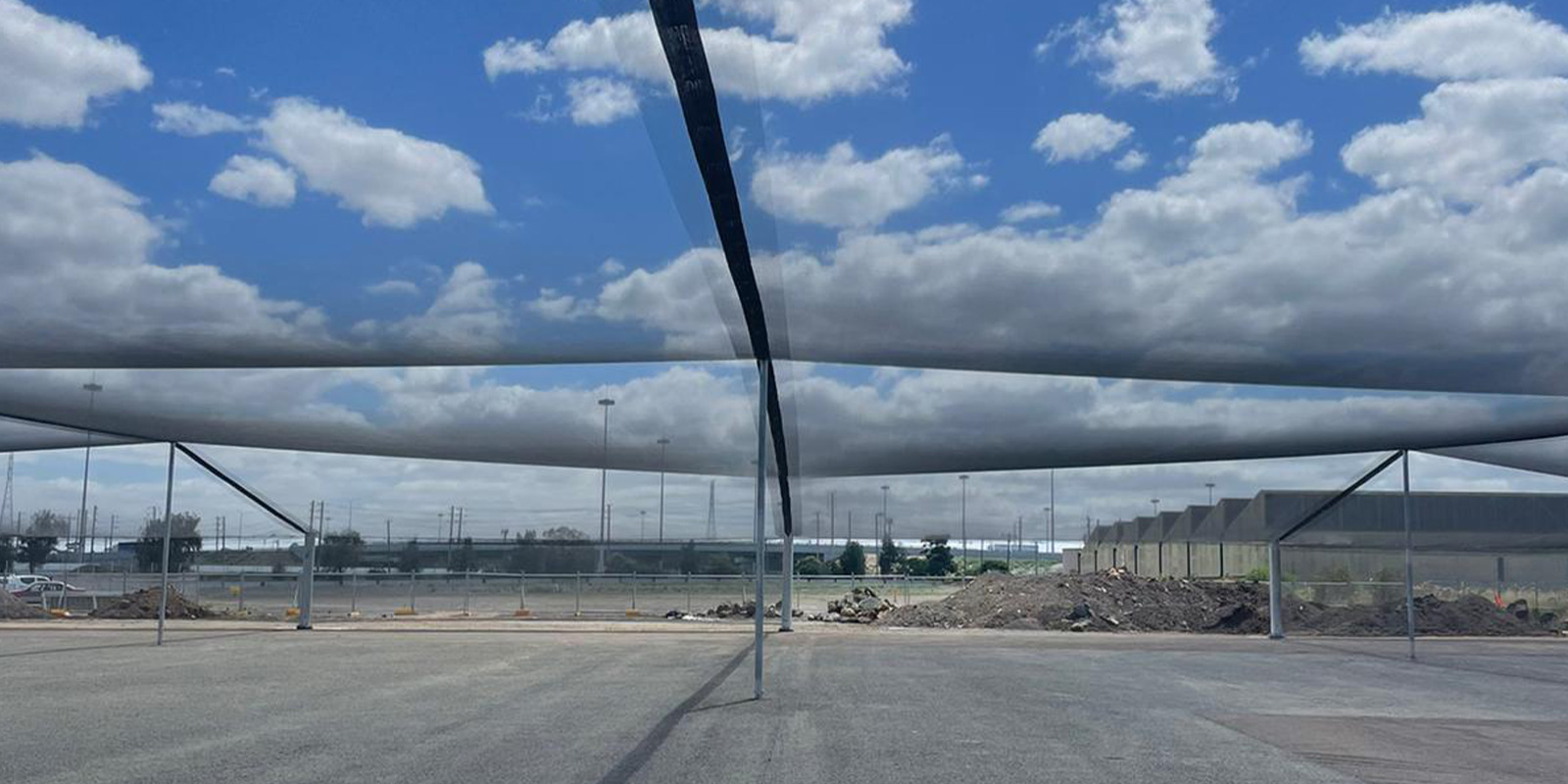
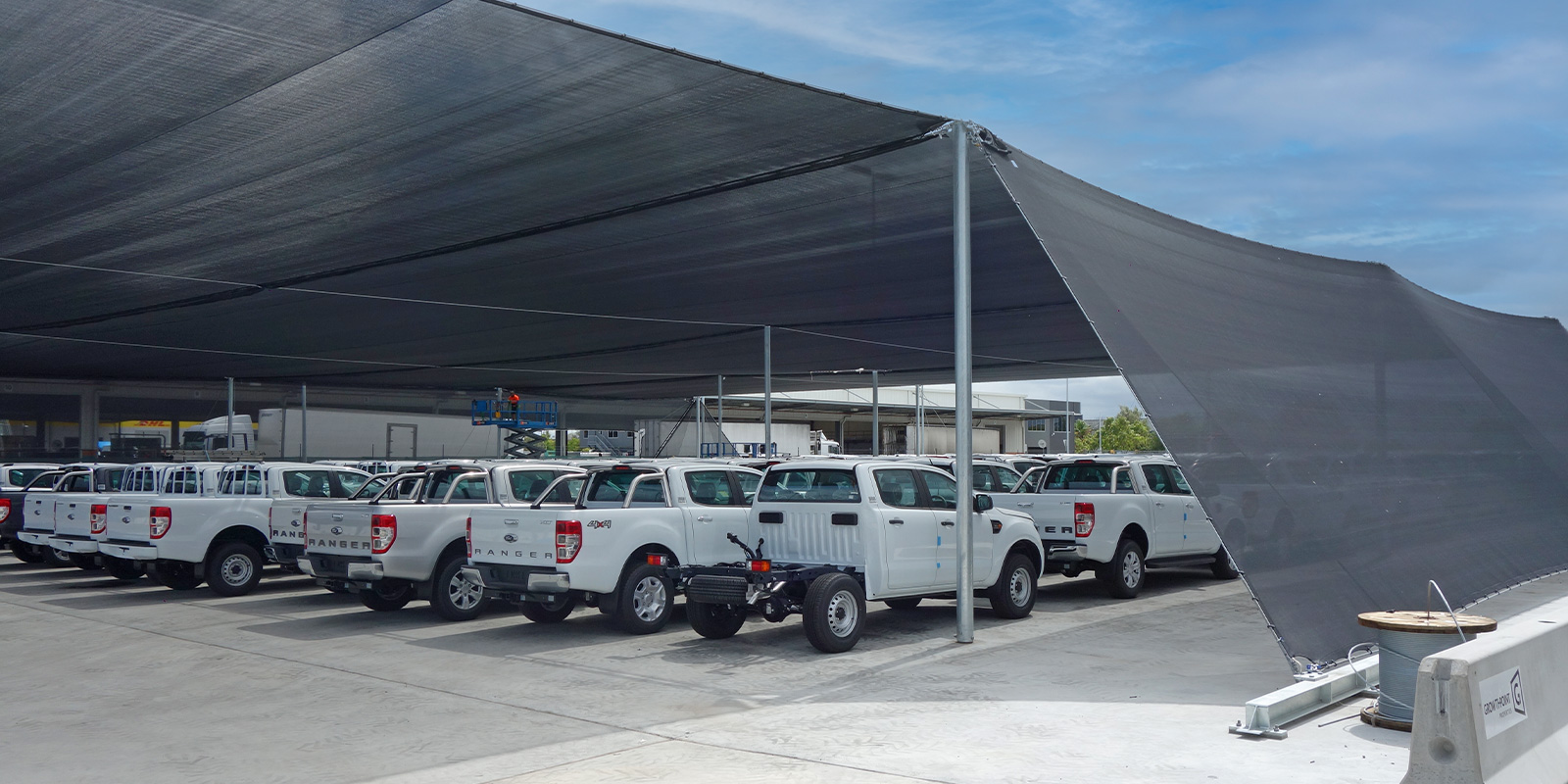
The cantilevered column design on our hail netting means no guy cables or back-stays are required, allowing our clients to maximise the coverage to their sites by placing perimeter columns immediately adjacent to site boundaries. The cable grid system allows for large spans and a relatively simple installation process, ensuring speedy installation and minimal site disruption.,
A MakMax TensoNet HNPC (Hail Net Protection Canopy) can range from 1,000 to 100,000 square meters coverage area.
MakMax TensoNet HNPC is Ideal For
- Vehicle Storage & Auction Yards
- Auto Dealer & Car Rental Companies
- Long-Term Airport Parking
- Building & Construction Companies
- 3rd Party Logistics Companies (3PL)
- Original Equipment Manufactures (OEM)
How Does The TensoNet System Work?
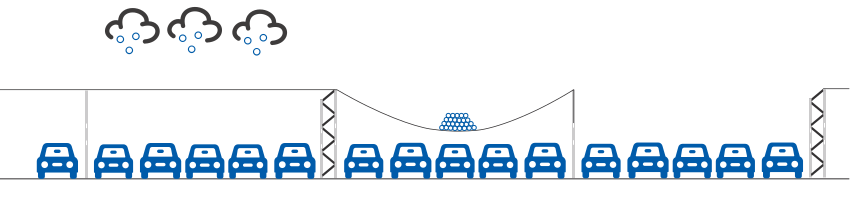
Under a significant hail event, a MakMax TensoNet hail net protection canopy will absorb the impact of the hailstones. The aperture of the netting allows rain to filter through, with the hail remaining on top of the netting.
Gradually as hail builds up on the canopy the netting will start to sag. In extreme cases, the centre of panels may stretch so far as to contact vehicles underneath or even the floor.
This happens in a controlled manner and prevents the violent impact of hailstones onto vehicles. Extreme events may require the netting to be replaced – it’s a sacrificial system designed to protect the contents underneath. The steel and cable system that supports the netting will in most circumstances remain intact, ready to be re-clad with new netting.
The Damage and Danger of Hail Storms
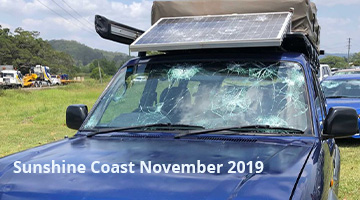
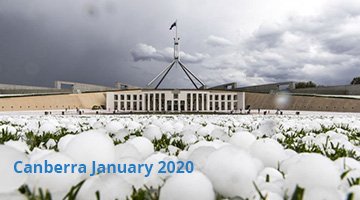
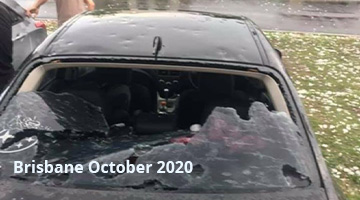
Article: Hail Impact Hurt Bottom Line from Go Auto News
Timelapse of a TensoNet Installation
TensoNet Design Details
Zero Gap Interface
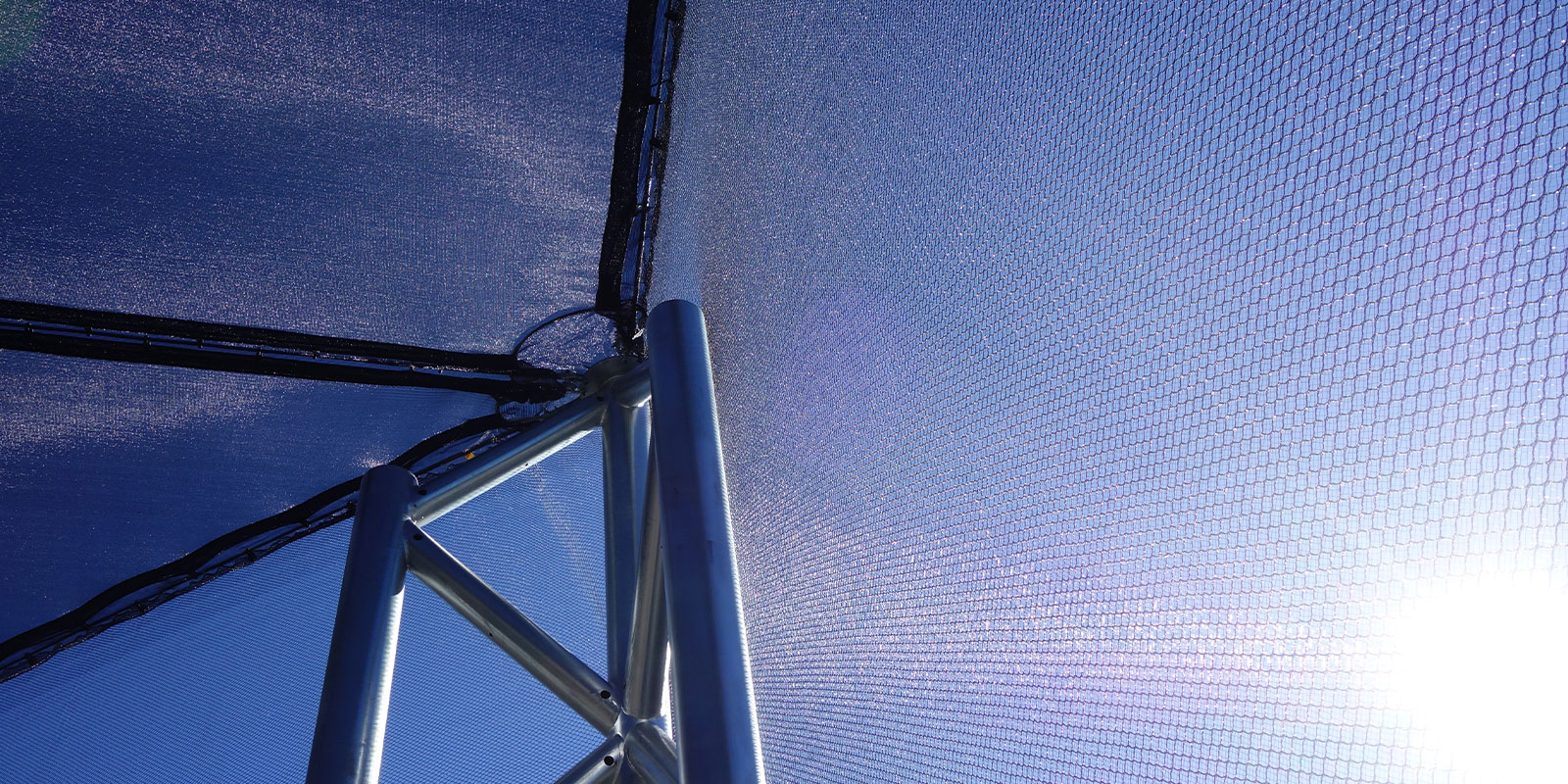
Using a unique Zero Gap Interface system on all corners and membrane section connections on our hail netting ensures that there are no potential points of entry for damaging hail.

Redundancy Bays
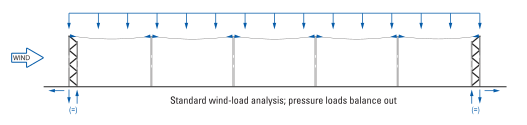
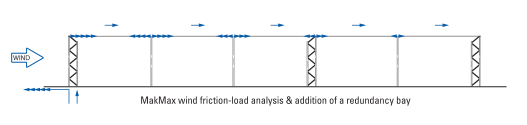
In structures of significant length (such as large-span hail net canopies), failure can occur due to accumulated surface friction wind loads, particularly during severe weather events.
The MakMax TensoNet Hail Net Protection Canopy system incorporates additional wind friction-load analysis as part of the design and engineering phase. Points of potential failure are identified and addressed through the use of Redundancy Bays, where we add heavier truss-style columns to the structure at regular intervals, rather than just along the edges. The wind-load analysis conducted prior to installation helps to identify the most efficient placement of the redundancy bays.
Hail Netting Options
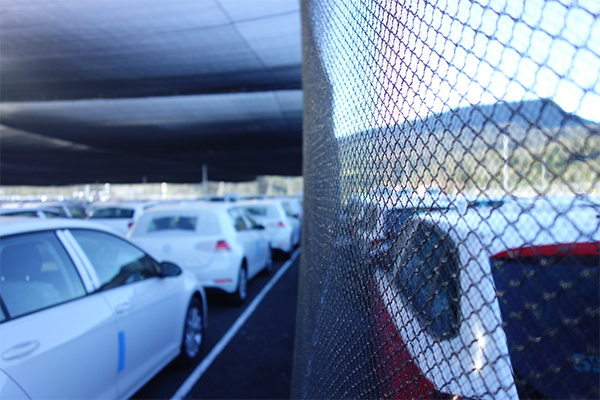
Quad Net
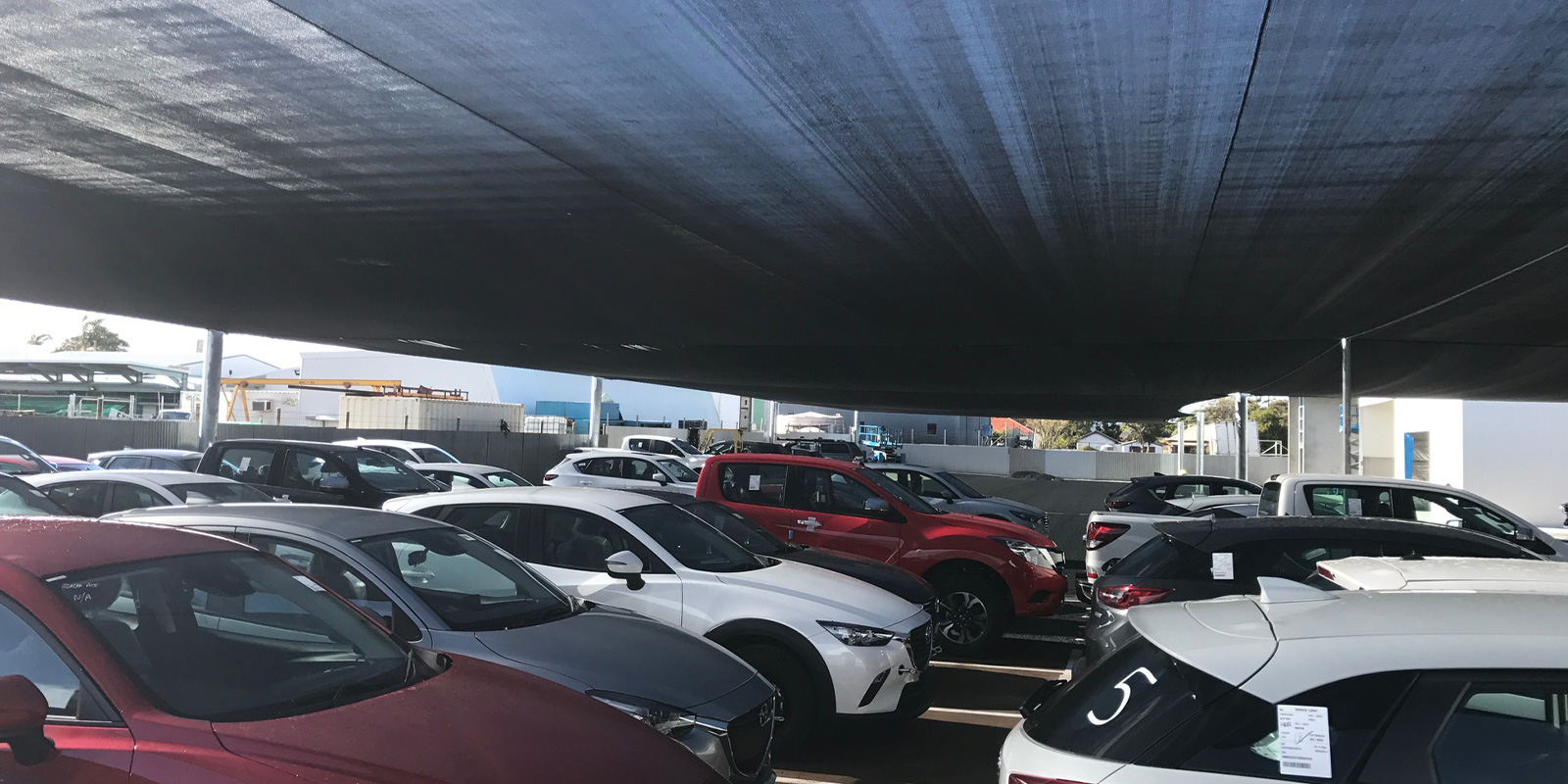
The most common netting used in a MakMax TensoNet system Quad Net, an extremely lightweight and flexible material. Quad Net is created by weaving strands of HDPE filament into a diamond configuration netting with finer four yarn (quad) crossover stands for additional strength. The most widely used Quad Net with a proven track record is 12mm Aperture.
Quad Net offers a number of advantages;
- A simplified installation process and is easily removed and replaced following a large hail event.
- Lower initial cost.
- Provides adequate protection against hail.
- Black or white netting available.
MakMax sources Black Quad Net from a supplier with proven quality and supply history and a 10 Year Manufacturer’s UV Warranty.
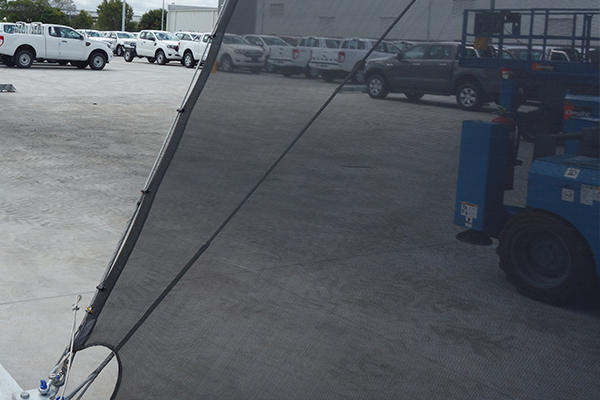
HDPE Mesh (Shadecloth)
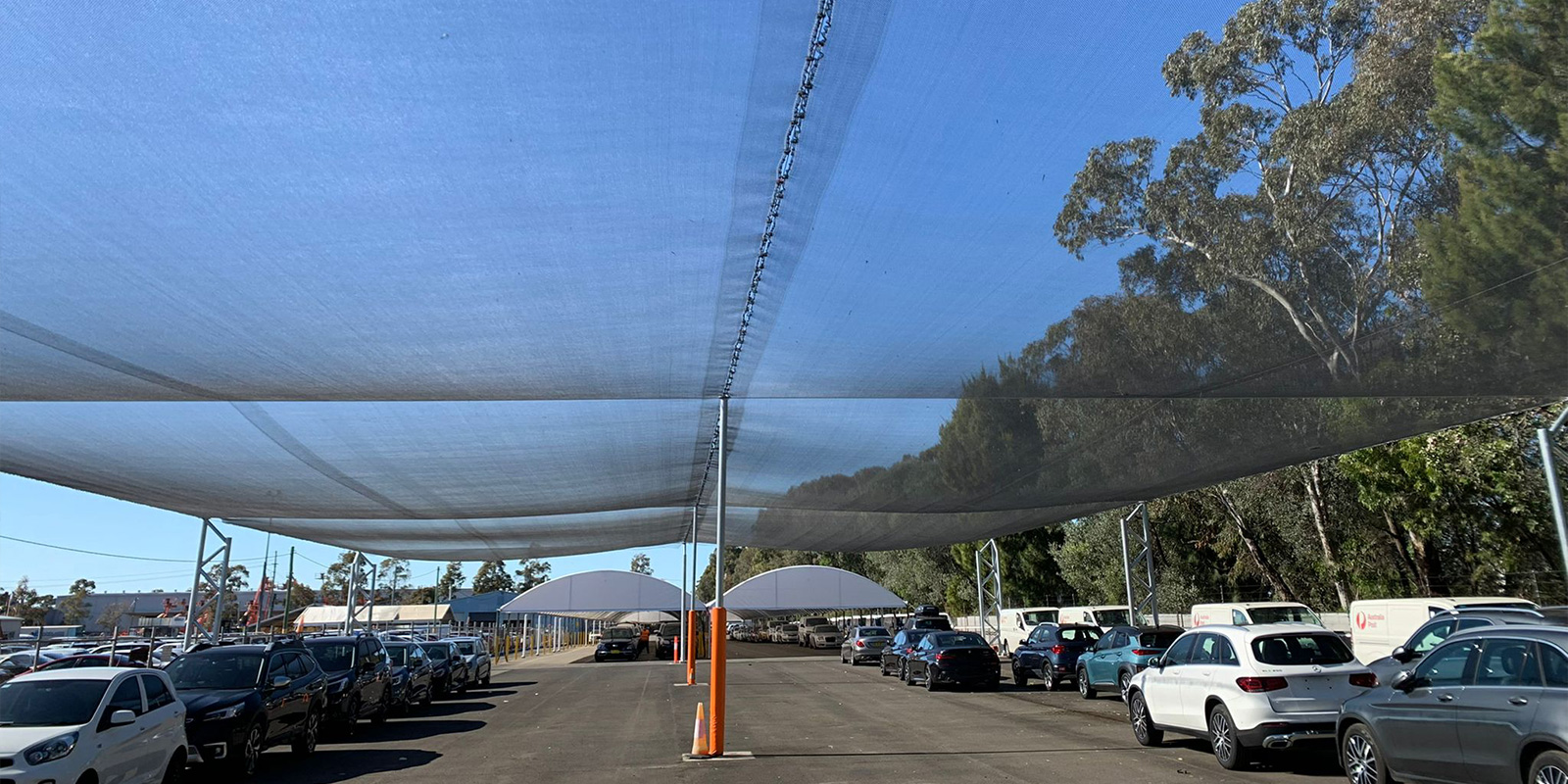
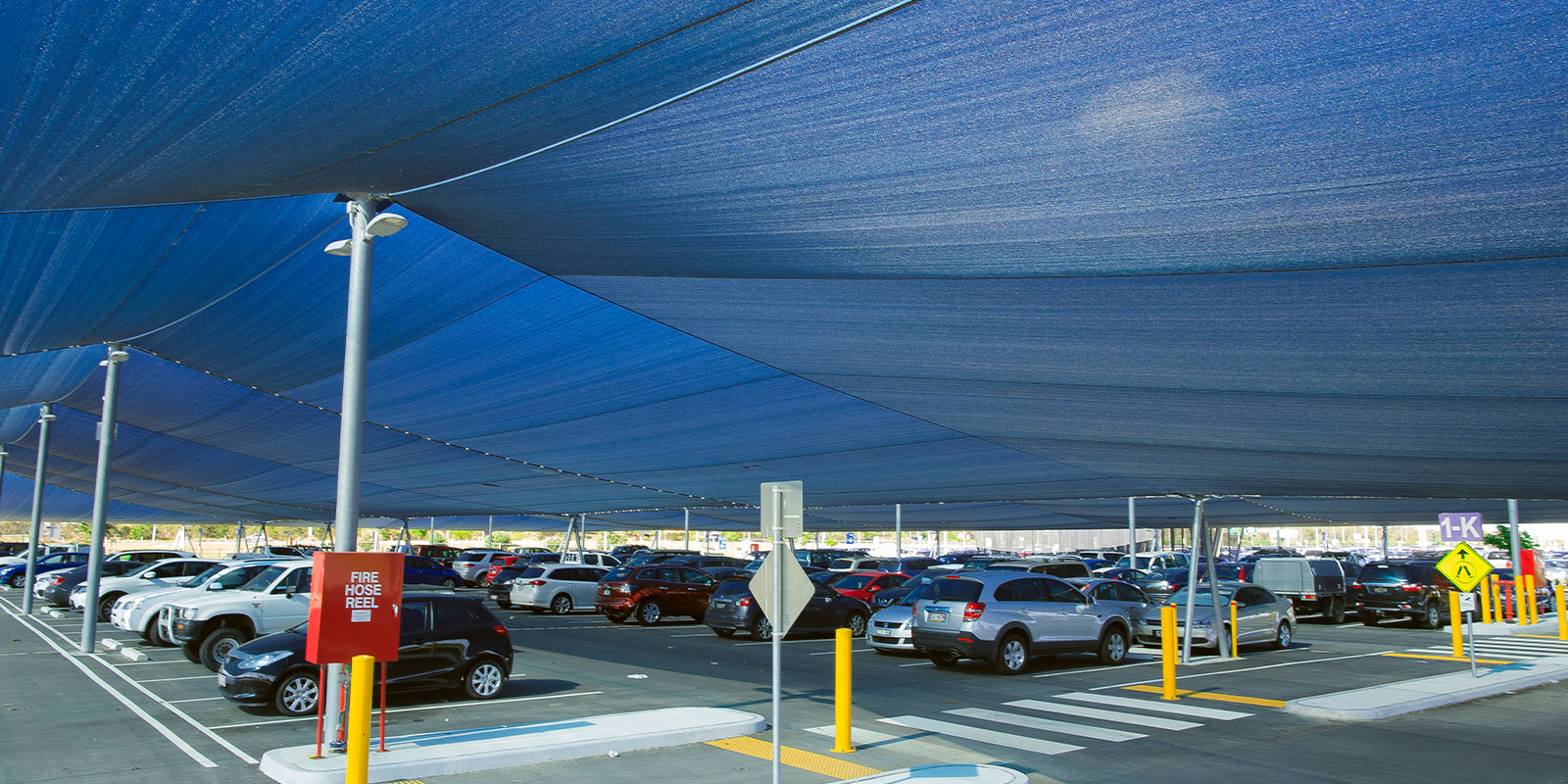
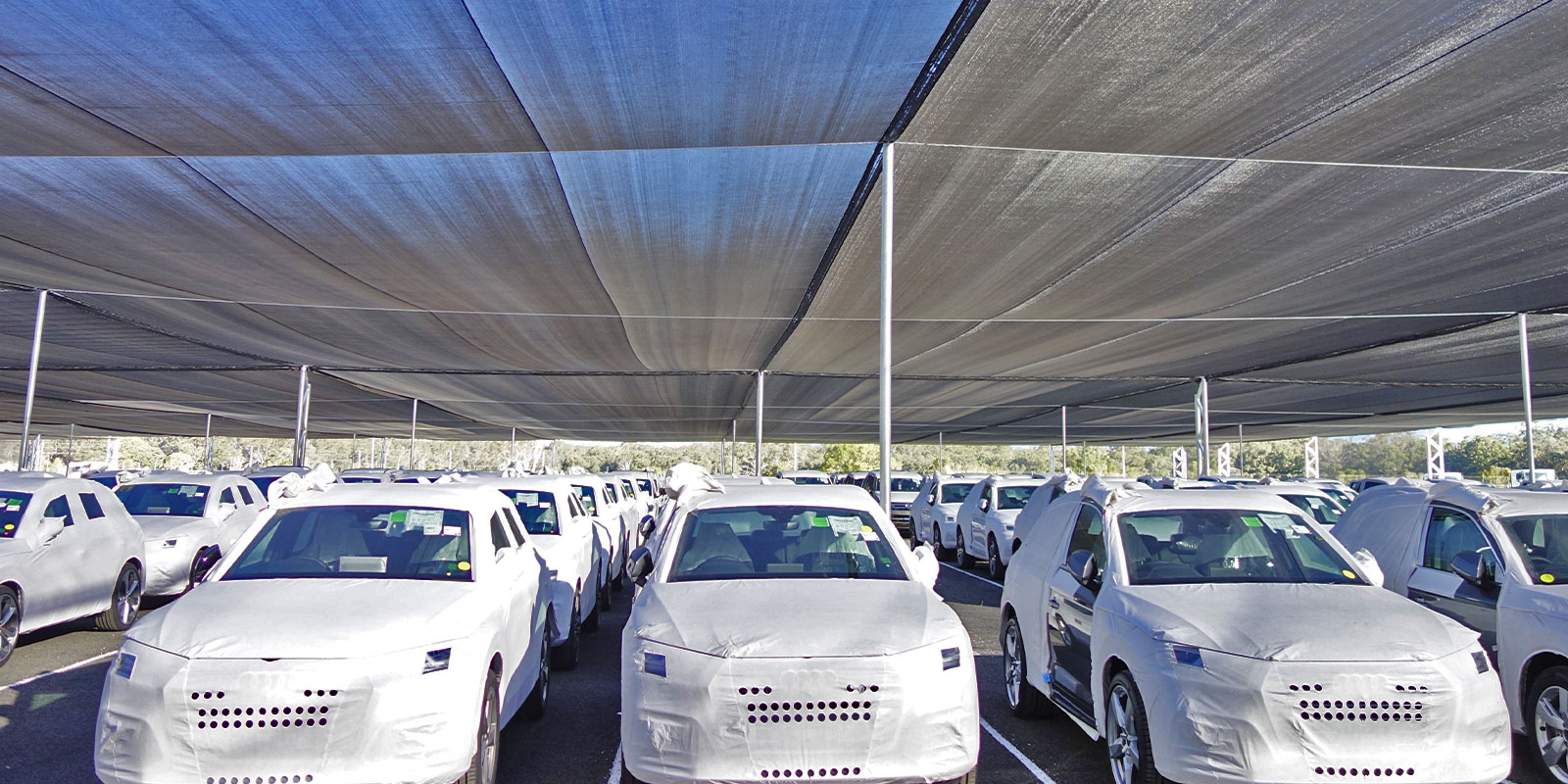
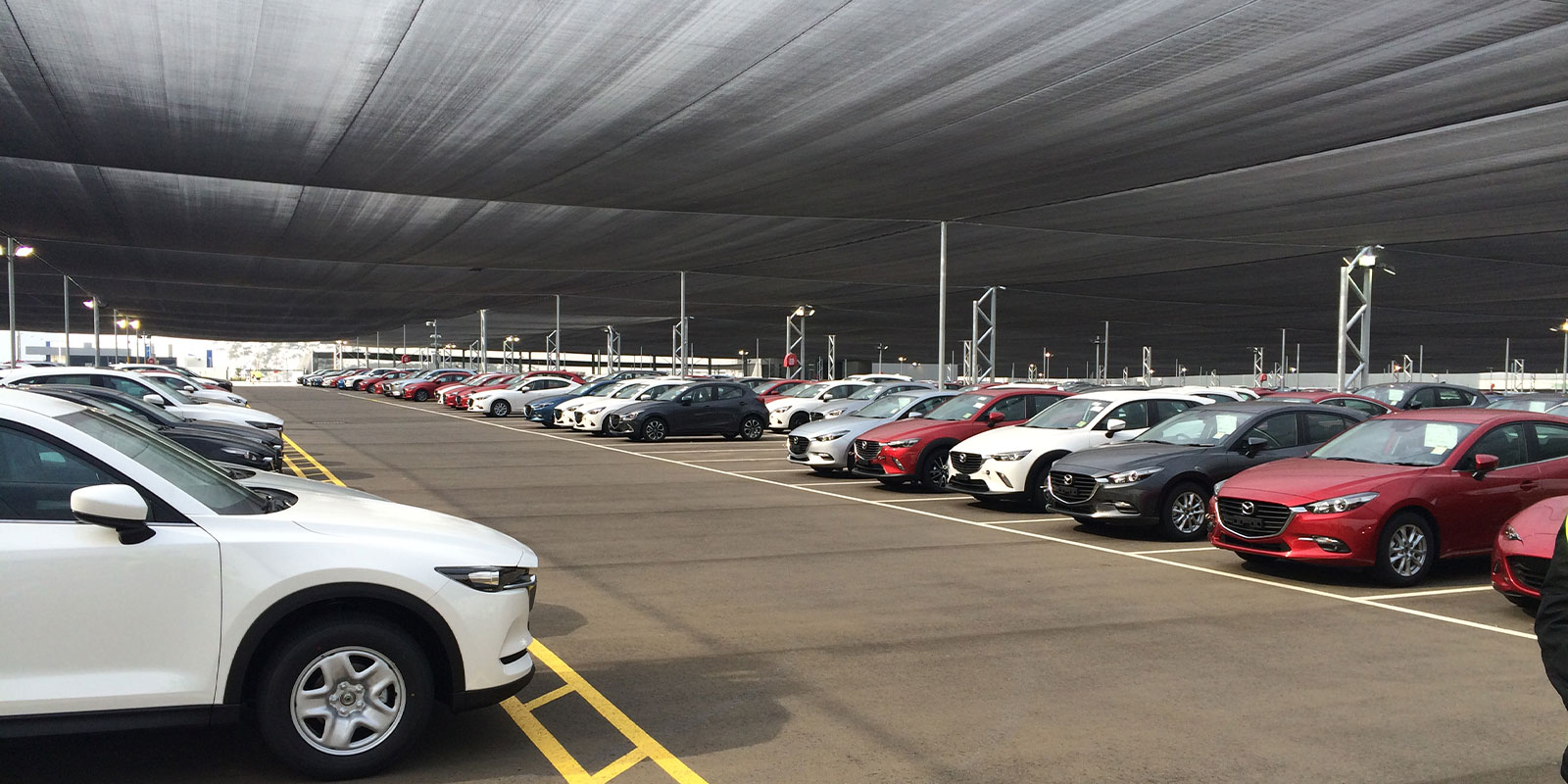
The durability and resistance to UV degradation make HDPE (High Density Polyethylene) ideal for large hail net protection structures. HDPE provides shading and sun protection for vehicles, as well as superior hail protection – this makes is a preferred option for sites with long-term vehicle storage.
HDPE provides a number of advantages over Quad Net;
- HDPE structures are designed with fully engineered panels, so they can be fabricated to any width, length, and shape.
- High initial purchase cost, but lower ongoing costs/longer lifespan
- Various types and shade factors are available
- Range of colours are available
- 10 Year Warranty (UV)
MakMax Australia works with local manufacturers and suppliers and chooses HDPE products with a track record of quality, reliability, and warranty support.

TensoNet FAQ's
How large can a TensoNet Hail Net Protection Canopy be?
MakMax has delivered TensoNet hail protection structures covering up to 80,000m², with the system capable of expanding to almost any practical size. Larger installations typically achieve a lower cost per square metre, making TensoNet particularly cost-effective for large vehicle storage yards, OEM compounds, auction facilities and logistics centres.
Is TensoNet suitable for long-term vehicle storage?
Yes. TensoNet is widely used by automotive manufacturers, vehicle importers, auction yards, rental fleets and logistics operators that require economical protection for large vehicle storage areas. HDPE Mesh options can also provide ongoing shade protection for vehicles stored over extended periods.
Can TensoNet be installed over an operating vehicle yard?
Yes. TensoNet is specifically designed for large operational sites. Installation can often be staged to minimise disruption to vehicle movements and day-to-day operations, with construction sequencing tailored to the site’s operational requirements.
What clearance height can be achieved with TensoNet?
TensoNet structures are custom engineered to suit each site and vehicle type. Most commercial installations provide between 4 and 5 metres of clear internal height, although greater clearances can be achieved where required for specialised fleet operations or oversized vehicles.
Can a TensoNet structure be enclosed on the sides?
Yes. TensoNet can incorporate vertical or angled side netting around part or all of the perimeter. Side walls provide additional protection from wind-driven hail while maintaining natural ventilation. Openings can also be incorporated to suit vehicle access and traffic flow requirements.
Does TensoNet require perimeter guy cables?
In most cases, no. TensoNet is typically engineered as a free-standing structure without external guy cables, allowing perimeter columns to be positioned close to site boundaries and maximising vehicle storage capacity. Where site conditions or project-specific requirements provide an engineering or cost benefit, guy cables can also be incorporated into the design.
What is a Redundancy Bay?
A Redundancy Bay is a reinforced structural zone incorporated at regular intervals throughout large TensoNet installations. These bays use heavier structural members and additional cable support to compartmentalise the structure and help prevent a localised failure from affecting the entire canopy system.
What is the difference between Quad Net and HDPE Mesh?
Quad Net is a lightweight, economical netting designed primarily for hail protection. HDPE Mesh provides both hail and solar protection, offering greater shade, durability and long-term performance. While HDPE Mesh generally requires more structural support and a higher initial investment, it often delivers superior lifecycle value for long-term vehicle storage facilities.
Can TensoNet be engineered for Australian wind conditions?
Yes. Every TensoNet installation is individually engineered to suit site-specific wind loads, terrain conditions and project requirements. Wind load analysis forms a critical part of the design process and informs the placement of structural elements such as redundancy bays and cable supports.
How effective is TensoNet at protecting vehicles from hail?
TensoNet is specifically engineered to reduce the risk of hail damage to large vehicle fleets. The netting absorbs the energy of falling hailstones and prevents direct impact on vehicles below, helping protect valuable stock and minimise financial losses associated with severe weather events.
What happens after a severe hail storm?
TensoNet is designed as a sacrificial protection system. During an extreme hail event, the netting absorbs the impact and weight of accumulated hail, helping protect the vehicles beneath. While the netting may require replacement or re-tensioning following a major storm, the primary steelwork and cable system are typically designed to remain operational.
Can damaged netting be repaired or replaced?
Yes. One of the advantages of the TensoNet system is that the netting can be repaired or replaced independently of the primary steel and cable structure. This helps reduce long-term maintenance costs and simplifies recovery following severe weather events.
How long does it take to install a TensoNet structure?
Installation time depends on the size and complexity of the project, but TensoNet is designed for efficient construction across large vehicle storage sites. Most projects are completed in stages, allowing vehicle yards to remain operational while works are carried out. MakMax can develop installation sequencing plans to minimise disruption to day-to-day operations.
Can TensoNet be installed while my vehicle yard remains in operation?
Yes. TensoNet systems are commonly installed over active vehicle storage facilities, logistics compounds and fleet yards. Construction can be staged in sections to maintain vehicle access and operational continuity throughout the installation process.
What maintenance does a TensoNet Hail Net Protection Canopy require?
TensoNet is a low-maintenance structure. Routine inspections typically include checking net tension, cable systems, connections and structural components. Regular maintenance helps maximise asset life and ensure the system continues to perform as designed.
Do TensoNet structures require regular re-tensioning?
Like all cable-supported structures, periodic inspection of cable and net tension is recommended. Under normal operating conditions, the system is designed to maintain its performance for extended periods, with adjustments only required as part of planned maintenance or following extreme weather events.
How often does the hail netting need to be replaced?
The service life of the netting depends on the material selected, environmental conditions and exposure to severe weather events. Premium UV-stabilised netting materials are designed for long-term outdoor performance in Australian conditions. Following a significant hail storm, the netting should be inspected to determine whether re-tensioning or replacement is required.
Does MakMax provide inspection and maintenance services?
Yes. MakMax can provide ongoing inspection, maintenance and asset management support to help ensure your TensoNet structure continues to perform throughout its design life. Planned maintenance programs can be tailored to the size and operational requirements of the facility.
What is the expected design life of a TensoNet structure?
The steelwork and cable support system are engineered as long-term infrastructure assets, while the netting is designed as a replaceable component. This approach allows the primary structure to remain in service for decades while the netting can be renewed as required throughout the asset’s lifecycle.